

little image - KILL THE GHOST
For Texas-bred trio little image, music is a catalyst for turning chaos into clarity and self-doubt into transcendence. After introducing the world to their lush but visceral alt-pop on 2023’s SELF TITLED, the band set off on a steady ascent that’s now included scoring a No. 1 hit on alternative radio (“OUT OF MY MIND”), mounting their own U.S. headline run, and touring with the likes of Panic! At The Disco, Bad Suns, and Joywave. Before diving into the making of their sophomore LP, vocalist/guitarist Jackson Simmons, bassist/synth player Brandon Walters, and drummer Troy Bruner took time to recalibrate and reconnect with their intentions, including going to therapy together to work through the disorientation of their upward trajectory. With no masterplan or manifesto, little image returned to the studio and soon came up with a sublimely cathartic track called “RUN FOR FOREVER”—a rallying cry for restless souls that immediately set the tone for their powerhouse new album KILL THE GHOST.
Born from a burst of pure spontaneity at a Nashville studio converted from an antique drugstore, “RUN FOR FOREVER” both encapsulates the irrepressible spirit of KILL THE GHOST and serves as an essential ethos for little image. “For me that song is about the magic of doing what you love with people you love, and the whole reason we started this band was to experience that kind of magic,” says Walters. “As you get older and spend more time in this business, you can lose touch with the innocence and joy of making something together,” adds Bruner. “But that day almost felt like we were kids again, and the pressure was completely gone.”
Mainly produced by their repeat collaborator Chad Copelin (Sufjan Stevens, 5SOS) and recorded at his Oklahoma studio, KILL THE GHOST strays from the synth-heavy aesthetic of SELF TITLED and leans toward a more guitar-driven sound—a deliberate return to their roots as Dallas-area suburban kids who first bonded over their ardent love for underground indie-rock. With its thrilling interplay of raw vitality and boldly inventive detail, KILL THE GHOST takes its title from its opening track: a larger-than-life anthem of overcoming self-sabotage and rising to a new level of emotional freedom. “As soon as we wrote ‘KILL THE GHOST,’ it became like a mantra for us,” says Bruner. “It’s a call to let go of whatever’s holding you back from being who you truly are, and we all felt passionate that it should be one of the defining statements for the album.”
While songs like “KILL THE GHOST” radiate a triumphant energy, little image often delve into the darker dimensions of the psyche, populating the album with a cast of antagonistic characters who personify our inner demons. On “THE REAPER,” for instance, the band share a haunting meditation on fear of abandonment, amplifying the track’s heavy-hearted urgency with shadowy beats, stark piano tones, and beautifully surreal lyrics (from the pre-chorus: “I’m sorry I can’t fall off the rooftop of your heart anymore”). “When that song first came to me, I was thinking about a friend whose marriage and family fell apart because of infidelity,” says Walters, who penned “THE REAPER” by building off a chopped-up piano loop while his young son was taking a nap. “It’s a plea not to be put in a situation where you end up having to start all over again and rebuild your entire life, and the fear is so intense it almost feels like you’re staring down death.”
After the epic outpouring of “THE REAPER,” KILL THE GHOST spotlights little image’s more experimental sensibilities on tracks like “DEFCON”—a hypnotic sonic replica of the terror of a panic attack. On “EASY TO LOVE” (co-written with Sir Sly’s Landon Jacobs) the band strikes a potent balance of brutal honesty and playful wit as they confront the endless complexities of human bonds. “That song came from thinking about how it can take a little more effort and care to pursue a connection with certain people, either because of trauma or other complications in your past,” explains Simmons. And on “ALWAYS ENDS,” little image close out KILL THE GHOST with a dreamlike reflection on their journey to date, threading the gorgeously shimmering track with memories of couch-crashing and assorted misadventures from their earliest days. “To me that song’s a reminder of our resilience as a band,” says Walters. “It’s definitely not a situation where we get along great all the time—we’ve had to fight at deep, deep levels, but because of that our relationships with each other have gotten that much deeper too.”
For little image, the decision to start therapy stemmed from a desire to strengthen those relationships even further and protect the rarefied chemistry at the heart of their collaboration. “There’s a lot of ego involved in band dynamics, and it can be easy to let that interfere with what’s best for your overall vision,” says Simmons. “Therapy’s helped us to be more open and to give each other more grace, but it’s also helped us to understand this very unusual lifestyle we’ve all chosen to live and the difficulties that come with that. I think it’s something we’ll continue to do as we move forward, and I honestly feel like more bands should do it too.”
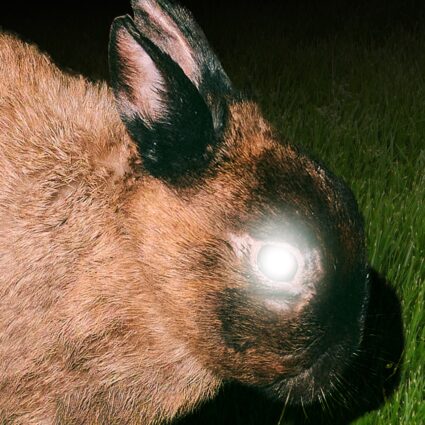
A formidable creative force, little image bring their limitless vision to every element of the band’s presentation, including designing their own stage lighting and taking a hands-on approach to all their visual assets. In the making of KILL THE GHOST, that DIY world-building has centered on the image of the rabbit, an inadvertent lyrical motif woven throughout the album. “When we looked back at the record and asked ourselves what the rabbit represents, it seemed to be a symbol of innocence and the true self, and the idea of striving for magic when it feels like everything in the world is trying to crush it,” says Walters. And by dreaming up their own strangely enchanted world on KILL THE GHOST, little image hope to inspire a similar striving among listeners. “At the end of the day, the goal of this band is to help people feel like they’re a part of something greater than themselves,” says Bruner. “The experience of feeling like you belong to something bigger than your own story ultimately creates freedom, and that’s what we want to offer everyone.”